Visit Reflection
Context: A personal reflection from our school history trip to America.
Visit to the 9/11 Memorial and Museum
I visited the 9/11 Memorial and Museum during our school history trip to America. Throughout the trip, we moved around museums that mainly celebrated American multiculturalism, immigration, identity and the many communities that shaped the country. Those visits were valuable, but this site felt completely different. It was quieter, heavier and far more personal. It did not just present history - it made you feel it.
For me, this was the most moving part of the entire trip. From the moment I arrived, there was a sense that this was not simply a place of remembrance, but a place where fragments of thousands of lives were being carefully held together. One of the things that affected me most was the effort to recover memories and details from so many of the lost lives. That felt deeply important. When a tragedy is this large, there is a risk that people become numbers, but the museum works against that. It brings back names, faces, ordinary routines and personal stories. In that sense, recovering memory is also a reconstruction of innocence.
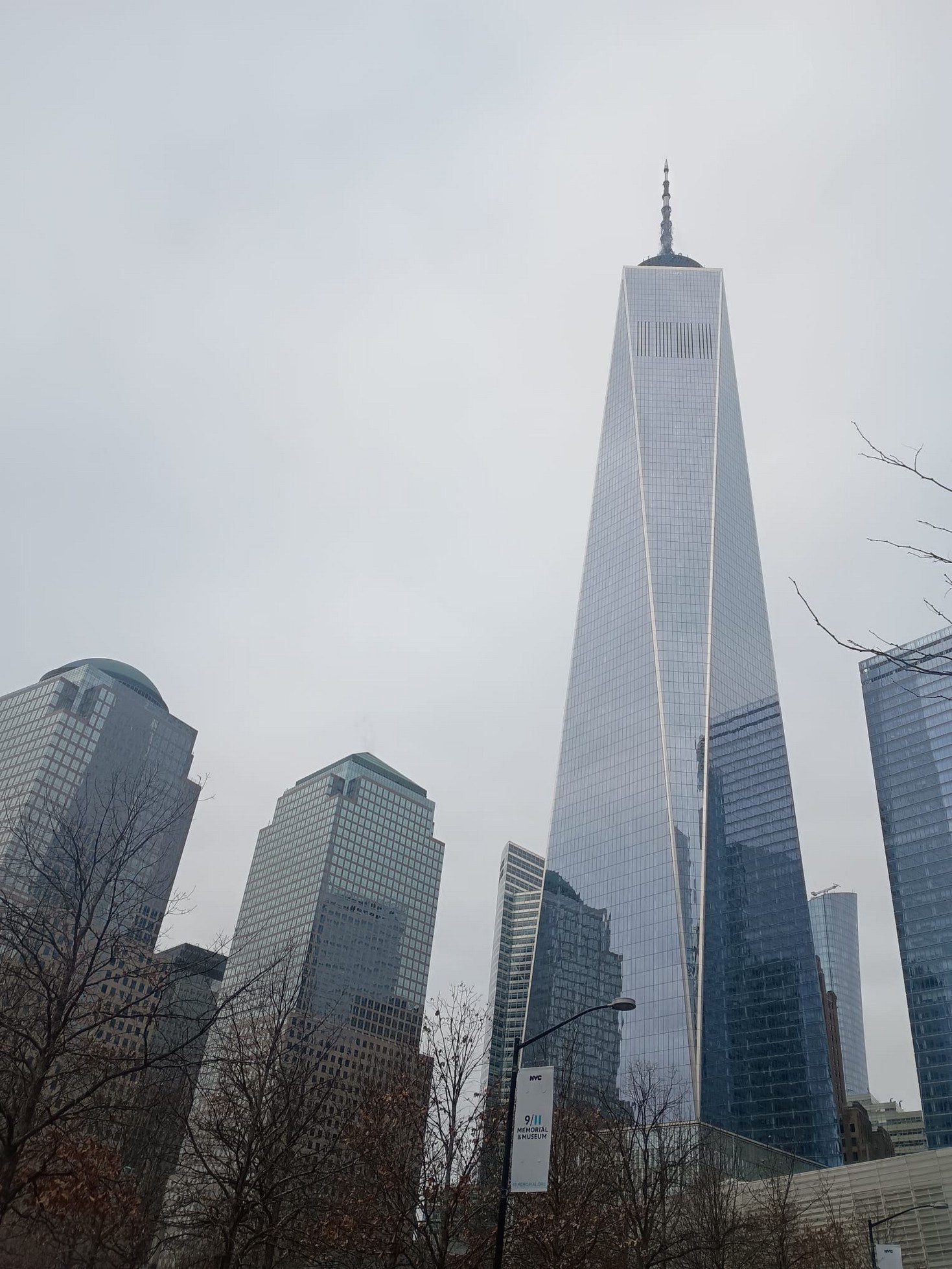
Standing there also made me think about the grandeur of the Twin Towers themselves. They were not just buildings dominating the skyline. They served America for years and became part of its image, its confidence and its everyday life. To see such a monument attacked and destroyed feels like a defilement of something that represented far more than steel and glass. The violence was not only physical. It was symbolic too. It struck at security, normal life and the belief that some things were stable enough to last.
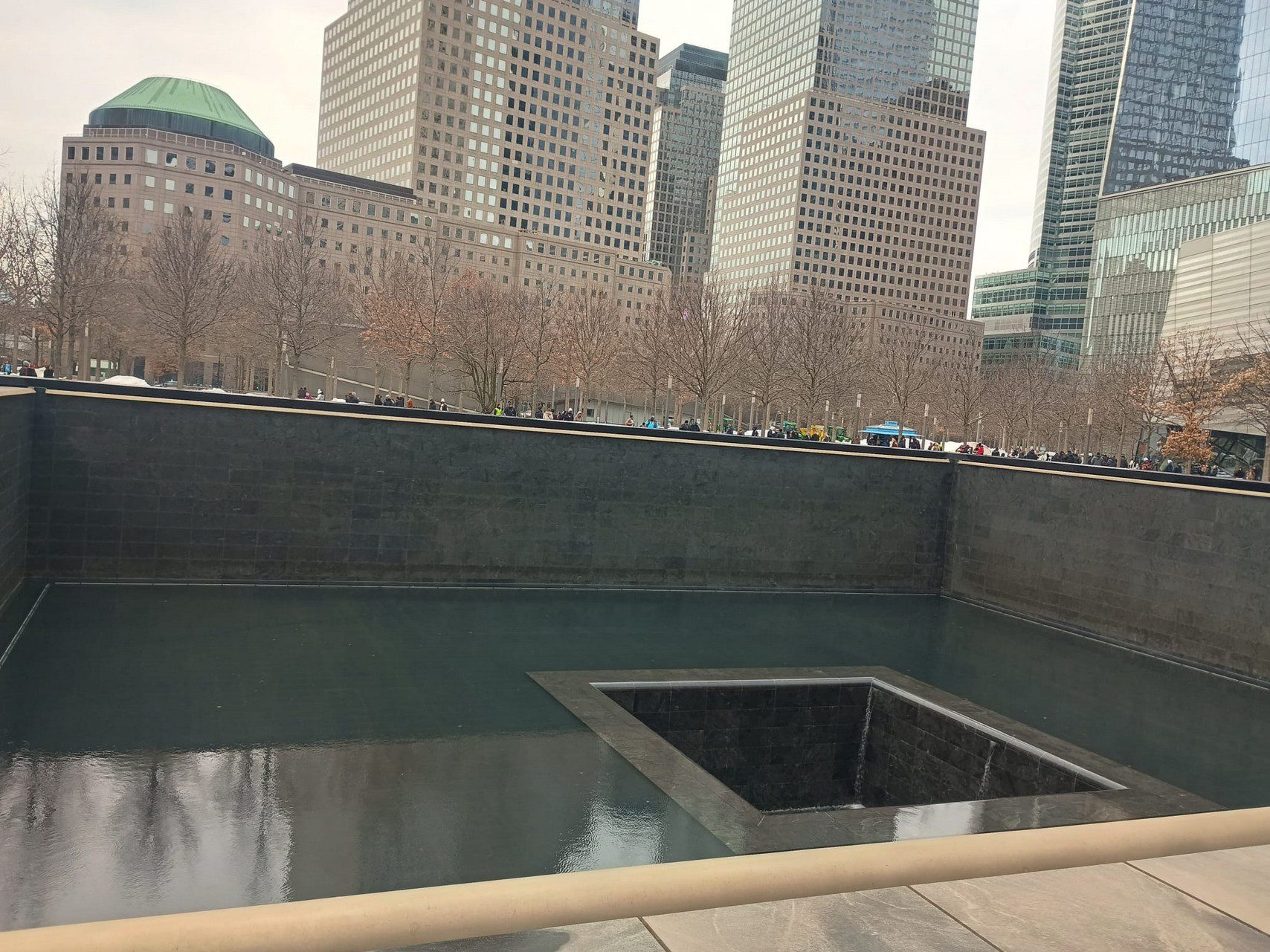
The memorial pools were especially powerful to see in person. Their scale creates silence. Even with people around, the space encourages reflection rather than noise. Looking into the water, I felt the absence of what had once stood there, but I also felt the strength of the effort to remember. The design does not try to replace what was lost. Instead, it makes that loss visible. That is what makes it so moving.
The visit also raised difficult moral questions. What happened on 9/11 shows the moral impurity of those who brainwash terrorists into believing that bringing death to innocent people could somehow secure a utopian afterlife. That idea becomes even more disturbing when you are surrounded by the evidence of real human loss. Inside the museum, history is not abstract. You are reminded again and again that behind every moment of destruction there were ordinary people with families, ambitions, routines and futures.
What stayed with me most was the instability of morality itself. The event showed how dangerous human belief can become when it is twisted, manipulated and emptied of compassion. At the same time, it showed how fragile innocence is. The people who died were living normal lives and then, within moments, everything changed. That is part of what makes the history of 9/11 so emotionally difficult: it forces you to recognise how quickly ordinary life can be broken.
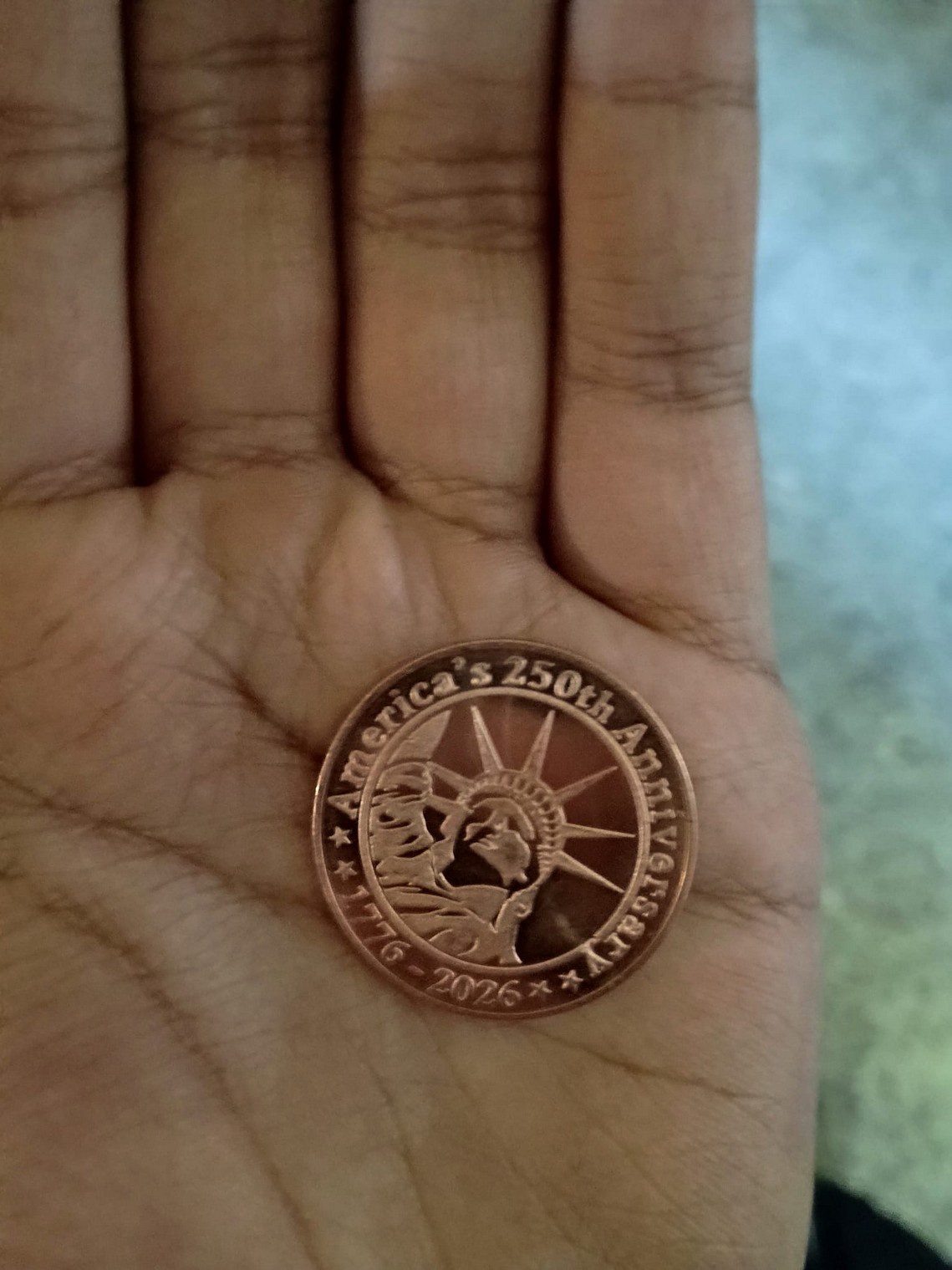
At the end of the visit, I was holding a coin marking the 250th anniversary of America. It seemed like a small object, but it added another layer to the experience. In a way, it connected the memorial to the wider story of the country - its ideals, its endurance and the way its history has been shaped by both hope and trauma. After seeing a site defined by grief, the coin also felt like a reminder that national history is not made only of celebration, but of survival and memory as well.
In conclusion, the visit to the 9/11 Memorial and Museum was an emotional roller-coaster. More than anything else on the trip, it made me think about how morality can become unstable and how innocence can be incredibly fragile. It was upsetting, reflective and unforgettable all at once. Rather than leaving with a neat answer, I left with a deeper understanding of how history lives on through memory, mourning and the responsibility to keep human stories from being lost.
Written from my visit to New York during our school history trip.